Numbers are often where conversations about energy transitions begin.
What cannot be measured is difficult to track, and what cannot be tracked is difficult to prioritise. Yet measurement does more than monitor progress. It shapes what becomes visible. What is then understood as opportunity, vulnerability or risk influences where capital goes, on what terms, and ultimately what gets built.
At the 2026 AISESA Congress in Kampala, this raised a deeper question: are we measuring Africa’s energy transition in ways that capture what actually changes in people’s lives?
A megawatt is not a development outcome
Energy conversations are good at counting capacity: megawatts installed, connections made, capital mobilised and tonnes of emissions avoided. The harder task is to move from counting connections to understanding livelihood gains.
For the world’s youngest continent, the transition cannot simply deliver electrons. It has to expand people’s ability to earn, produce and live better. That is where an energy transition starts becoming an economic transition.
For the world’s youngest continent, the transition cannot simply deliver electrons. It has to expand people’s ability to earn, produce and live better.
Informality is not outside the mainstream economy
The figure that 85.8% of employment in Africa is informal is often presented as evidence of an economic problem to be fixed. The discussions in Kampala suggested a different starting point: informality is part of the economy that transformation must understand and work with.
Informality is not a marginal space outside Africa’s “real” economy. For millions of households, it is where work, trade, production, care, finance and risk-sharing already take place.
This does not mean romanticising informality. But policy debates risk misunderstanding the economy if it treats informality only as an absence of formality.
If these realities are poorly measured, they can become statistically invisible even while they support the most livelihoods. We risk optimising an energy system for the economy that is easiest to observe, rather than the economy in which people actually live and work.
72 tools - but what is inside the model?
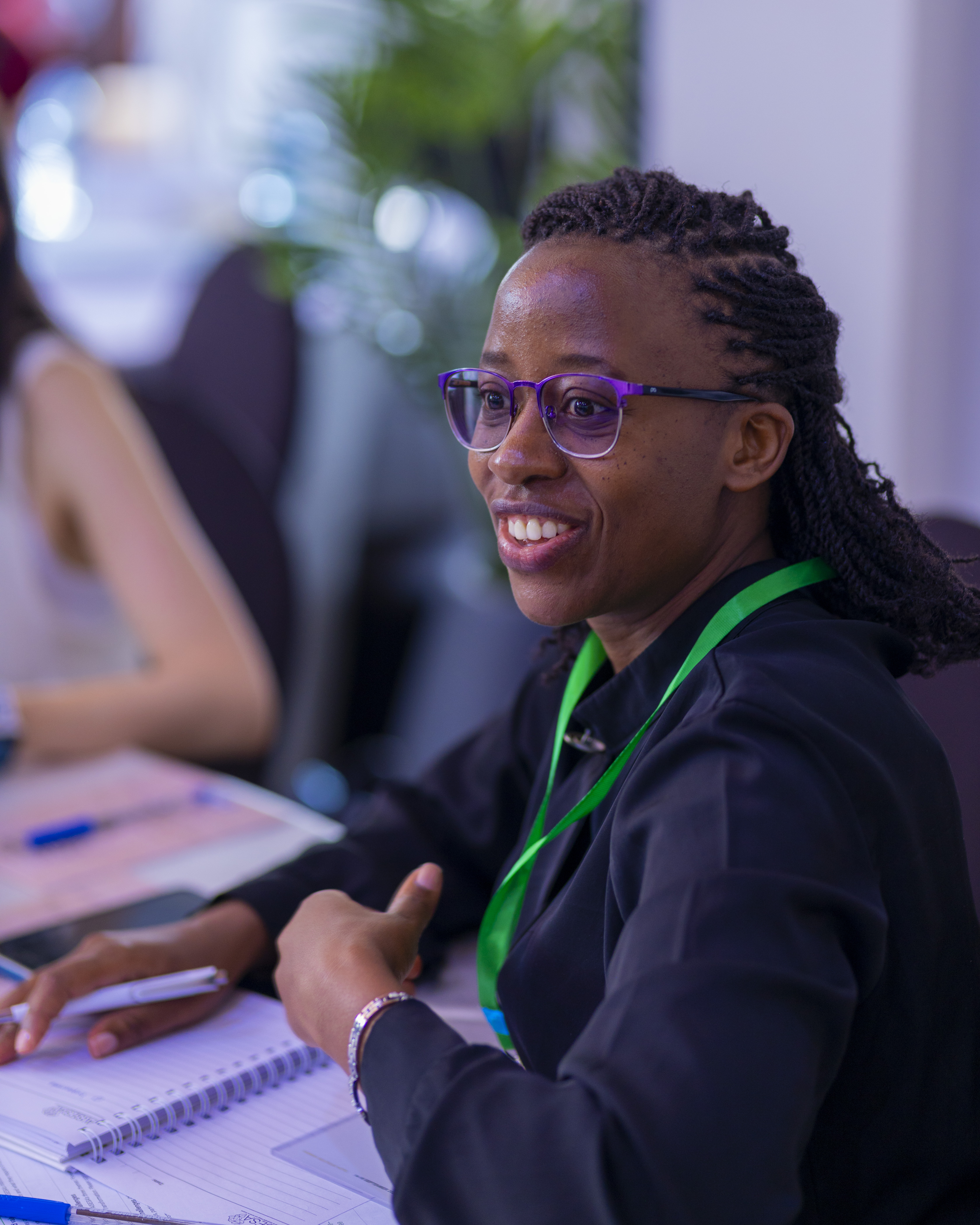
Presenting AISESA’s emerging African evidence platform, Benard Musekese Wabukala, PhD, pointed to 625 studies and 72 modelling tools. The number is impressive, but the more important issue is which evidence and which tools are useful for particular African decisions.
Across the discussions at AISESA, informality, livelihoods, production and institutions repeatedly emerged as realities that models can miss or under-represent. If these are absent from the data and assumptions that structure a model, they risk becoming less visible in the decisions informed by it.
African ownership, therefore, cannot simply mean having African institutions or practitioners operate the tools. It also requires the capability to interrogate what sits underneath them: What question is the model answering? What does it leave out?
Between the model and the real world sits a system
The discussions repeatedly returned to the “missing middle” between ideas and systemic impact. Uganda’s experience makes that concrete.
One example discussed at the Congress involved generation infrastructure being completed before the infrastructure required to evacuate the electricity was ready. Contractual commitments nevertheless created costs for government.
Financing one component does not make the risks elsewhere in the system disappear. Generation, transmission, distribution, demand, finance, institutions and technical capacity are interconnected.
Financing projects is therefore not the same as financing transitions.
Capital is not the same thing as capability
Prof. Youba Sokona, Executive Director of AISESA, offered a definition that connected many of the Congress discussions: “Capacity is not the ability to implement someone else’s agenda, but the ability to set and pursue your own agenda.”
Capacity is an interconnected system of knowledge, institutions, regulation, finance, technology, governance and private-sector capability. One Congress slide captured the distinction simply: “Projects deliver outputs. Institutions create capability.”
That distinction matters. More capital cannot compensate indefinitely for weak coordination. And a successful pilot does not automatically tell us whether an intervention can work across an entire economy.
Mobilising capital, technology and expertise is only part of the task. The lasting test is whether those investments leave behind stronger institutions and greater capability to make the next decision.
There cannot be one African model
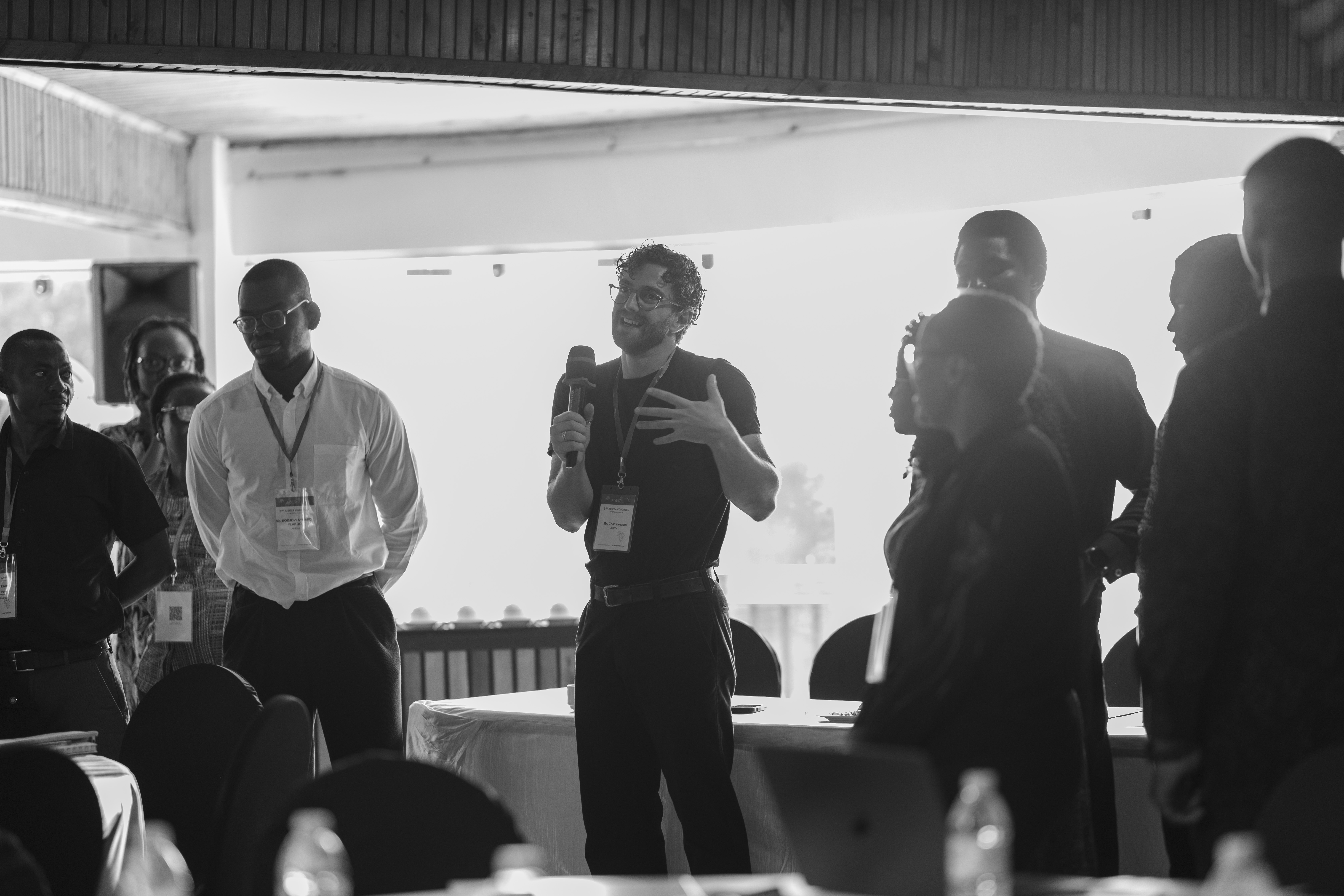
In her keynote address, Eng. Irene Pauline Batebe, Permanent Secretary at Uganda’s Ministry of Energy and Mineral Development, placed African ownership at the centre of the discussion. Uganda’s experience illustrated what that ownership requires in practice: an energy pathway shaped around the country’s resource endowment, development objectives, regional relationships and institutional realities.
Prof. Arkebe Oqubay brought an important economic qualification to this discussion: Africa is not one economy.
African agency therefore cannot mean replacing an imported universal pathway with a universal “African pathway”. It means having the analytical and institutional capability to understand different starting points, constraints and development objectives. Agency begins earlier than implementation. It begins with who gets to frame the problem.
From financing projects to financing systems
The finance discussions at AISESA pushed the systems argument further. The amount of capital matters alongside its affordability, timing, conditions and sources.
A financeable project, therefore, is not necessarily a financed transition.
A transition requires investment across interconnected systems — generation, transmission, distribution, productive demand, technology, institutions and human capability.
This is where the discussions in Kampala connect closely with Rabia Transitions’ work towards a financial ecosystem capable of supporting resilient and dignified transitions.
Are we measuring a transition, or merely its inputs?
The answer is not to retreat from numbers. It is to demand more from them.
Assessing a transition requires looking beyond inputs and outputs. Did institutions become more capable, economies more resilient and countries better able to shape their own development choices?
What we measure shapes what we see. What we see shapes what we consider risky. What we consider risky shapes what we finance. And what we finance helps determine what gets built.
The discussions in Kampala ultimately returned to one question: what are all these inputs meant to produce?
For Africa’s energy transition, the answer cannot only be a greener energy system. It must also be productive economies, stronger institutions, meaningful livelihoods and greater agency.
The numbers matter. But before celebrating them, we should ask whether they are measuring the transition — or merely counting its inputs.
Monica Nahambwe is an Economist at Rabia Transitions Initiative. This Insight was originally published on LinkedIn.